Friday, 20 December 2013
Planning:Final Idea.
The beginning of our thriller will start with a montage shot of random pictures of a couple,and an outsider,along with a range of words like "Love", "Lust" and "Revenge". The aim of this,is for it to not make sense at first. Then, after a few seconds, the shot will zoom out to reveal a silhouetted figure looking at a wall covered in all the photos and words that were just seen. This room will have very low key lighting,and the only light source will be shining on the board, highlighting it.
The scene will then change to the female victim's house where she is getting ready for the party. Here, her character will be persued as very happy, sweet and innocent. The audience will grow fond of her,but at the same time, they will already know that something bad is going to happen to her.
Once she is ready, the female will leave her room and turn off the light. There will then be a deep focus on her mobile that she has left on her dresser. The camera will remain on the phone for a few seconds so the audience can read the text message on her phone that will be from her boyfriend advising her not to go to the party.
The next section of the production, we will cut to the boyfriend's house where he is sitting playing a video game with two of his friends. He will look really worried, as he has just sent his girlfriend the text about not going to the party. His friends will be comforting him at this point,also.
Then, we will see the female arriving at the party, and there will be a close up of her phone alerting the message again in her bag, and she still doesnt notice it. The audience should start to feel a little more on edge as they know that something bad is going to happen to her.
Once she gets inside the party, there will be a strobe light effect, and we see the female starting to get drunk. The camera movements will be quite shaky here, to highlight this. Then, the camera will cut between the female, the strobe light, and the silouhette of the antagonist quickly.
After this, the female will leave the party and begin walking home through a park. The only sound that is heard at this point is her foot steps. Then we see someone following her, and then she gets kidnapped.
The scene will then fade to black,and then the female will wake up tied up in an unknown location. At this point the antgonist's identity will be revealed to the audience and female victim. After a series of torture methods, the antagonist will experience a flashback of the female and her boyfriend together. Then it's clear that the antagonists intentions have changed(he has gone from wanting to torture her, to actually wanting to kill her).
To end the scene, it will be left on a cliffhanger, as the antagonist will be seen grabbing a shovel, and digging a hole in the ground-clearly meant for the female. Then the screen will cut to black and the scene will end.

Planning: Production Roles.
Planning Production Roles.
There are nine different roles that are vital in the production of a movie. These include: The Director, The Producer, The Lighting Manager, The Editor, The Sound Technician, The Story Boarder, The Camera Operator, The Location Manager, Costume Hair and Make-up Designer. It was essential to assign all of these to the each person in my group, based on their characteristics, to ensure that everyone is involved, and so that each persons’ skills are recognised and developed on.
The Director makes all of the ultimate and final decisions, and they develop upon the producers ideas, to create an overall image of the scenes. This would include all the elements of the production process, so they have a say in everything that goes on. We chose Sean to be the director because he is a very organised student, and he can manage a group of people very well.
The Producer manages all of the budgets that are needed, and works alongside the director. This person will have an initial idea, that they will present to the director, who will develop on it. This person we decided on was Darhyl to take this role. This is because he came up with the best narrative idea for the group(in which we all decided that it was the best one), and we felt that he would be perfect for the role.
The Camera Operator's job is to operate the camera, considering the appropriate angles, shots and sizes to satisfy the audience,and give the desired effect or character representation. This person will meet with the director, and some of the crew to make and decide on technical decisions. We decided that Darhyl will also take this role as he has had previous experiences with cameras and he is also quite creative, so he can contribute with the ideas in selecting on the camerawork,and when it will take place.
The Lighting Manager takes into consideration the direction of light that is needed to create certain effects within a scene. We chose Darhyl for this role,as he knows how to use lighting, to create the best images,so we felt he would be able to do the same for film.
The Editor combines lots of different camera shots, and turns them into sequences. This person needs to ensure that the finishedmotion picture is smooth, with clear,and evident scene changes. We chose Sandro to take this role because he has very good observational skills, and he is able to understand when something has gone wrong, and knows how to correct it.
The Storyboarder has to sketch out everything that happens in each scene, and the time in which it will happen. The camera angles, editing effects, sound techniques, dialogue, and charatcers will all be noted here, also. A storyboard is created to keep everyone organised, and so all the cast and crew know exactly what they are doing, and when they are doing it. We chose Sean for this role as he is very artistic,and his work is very clear,and easy to understand.
The Location Manager's job is to select the appropriate locations for the settings throughout the film. This person has to take precautions,and think about risks and health and safety hazards, and how to overcome them if something goes wrong. We felt that Sandro would be a good person for this role,as his observational skills would be essential for identifying all the health and safety hazards.
The Sound Technician creates all of the sound effects and soundtrack to a film. It's their job to make sure that all of the sounds that are used, are appropriate,and draw the desired emotions from the audience. I was selected for this job,as I did a GCSE in music, I am very musically orientated and I'm more familiar with the software that is used.
The Costume,Hair and Make-Up designer has to make sure that each character is represented in the correct way through appearance. This is so the audience can familiarise themselves with the characters, by what they wear, or how they look generally. I was also selected for this role, as I am more experienced in dealing with styling other people.
Tuesday, 17 December 2013
Research:Age Certificates&Censorship.
Movies that are released in the UK will all be given an age certificate. The reason for this is because there will be some films that have too much explicit content that would be inappropriate for younger viewers. So, in order to keep them from seeing these things (could include violence, swearing, alcohol, drugs and sexual content).
The 'U' rating is suitable for audience that are aged four and above. This means that all of these movies should include reassuring counterbalances to any violence or threat. And also, these movie should be suitable for a child of this age to watch alone, without parental guidance.
The 'PG' rating is still reletively mild, and is appropriate for general viewing, but some scenes may be unsuitable for younger audiences. These scenes however, cannot disturb children around eight years of age. Parents can make their own decision here, on whether these movies are appropriate for their child. Especially if they are younger than eight, or they are more sensitive to things of this nature.
The '12' rating is strictly only for children aged twelve and over. This is because children under this age may become more upset with the topics and scenes that are touched upon. Anyone under the age of twelve cannot buy or rent a movie of this rating.
The '12A' rating only exists in the cinema. Children uder the age of twelve cannot watch these movies unless they are accompanied by an adult. If an adult feels that a movie of this rating is suitbale for their child to watch, then they can take them to see it, but the full responsibility of the child watching this movie lies with the adult/parent.
The '15' rating can include a little more content that the other ratings, but there must be no discrimination, drugs can be included but they must not be promoted, mild violence can be shown(but not too much focus on pain). There can be some bad language and nudity, but kept to a minimal and only when it's appropriate.
The '18' rating can include criminal law and criminal offence, violent or dangerous acts, illegal drug use(shouldnt cause harm to oublic health), scenes of sexual violence(this may eroticise or endorse sexual assault), explicit scenes of sexual activity, bad language can be used.
The BBFC(British Board of Film Classification)'s job is to classify each film, and decide which circumstance is is to be viewd in, before they get released to the general public. They also have the right to ban movies that may be too extreme, even for adults or if the moral behind it is frowned upon.
Some films that have been banned in the UK are:
GROTESQUE- Part of thisis because the film has no narrative, and it's just pure torture from start to finish.
MIKEY- The BBFC do not agree with making children acting/taking part in adult themes.
THE HUMAN CENTIPEDE 2-The victims here are treated like objects,and are degraded and brutalised.
SCUM-This contains severe racism, gang rape, suicide and violence.
A SERBIAN FILM- Includes child rape, incest and murder.
NATURAL BORN KILLERS-Glorifies the act of murder.
THE EVIL DEAD- This is graphic violence and terror, and can be perverse.
CANNIBAL HOLOCAUST- Disturbing the peace of the cultures involved in filming(African Tribes).
TEXAS CHAINSAW MASSACRE-
The 'U' rating is suitable for audience that are aged four and above. This means that all of these movies should include reassuring counterbalances to any violence or threat. And also, these movie should be suitable for a child of this age to watch alone, without parental guidance.
The 'PG' rating is still reletively mild, and is appropriate for general viewing, but some scenes may be unsuitable for younger audiences. These scenes however, cannot disturb children around eight years of age. Parents can make their own decision here, on whether these movies are appropriate for their child. Especially if they are younger than eight, or they are more sensitive to things of this nature.
The '12' rating is strictly only for children aged twelve and over. This is because children under this age may become more upset with the topics and scenes that are touched upon. Anyone under the age of twelve cannot buy or rent a movie of this rating.
The '12A' rating only exists in the cinema. Children uder the age of twelve cannot watch these movies unless they are accompanied by an adult. If an adult feels that a movie of this rating is suitbale for their child to watch, then they can take them to see it, but the full responsibility of the child watching this movie lies with the adult/parent.
The '15' rating can include a little more content that the other ratings, but there must be no discrimination, drugs can be included but they must not be promoted, mild violence can be shown(but not too much focus on pain). There can be some bad language and nudity, but kept to a minimal and only when it's appropriate.
The '18' rating can include criminal law and criminal offence, violent or dangerous acts, illegal drug use(shouldnt cause harm to oublic health), scenes of sexual violence(this may eroticise or endorse sexual assault), explicit scenes of sexual activity, bad language can be used.
The BBFC(British Board of Film Classification)'s job is to classify each film, and decide which circumstance is is to be viewd in, before they get released to the general public. They also have the right to ban movies that may be too extreme, even for adults or if the moral behind it is frowned upon.
Some films that have been banned in the UK are:
GROTESQUE- Part of thisis because the film has no narrative, and it's just pure torture from start to finish.
MIKEY- The BBFC do not agree with making children acting/taking part in adult themes.
THE HUMAN CENTIPEDE 2-The victims here are treated like objects,and are degraded and brutalised.
SCUM-This contains severe racism, gang rape, suicide and violence.
A SERBIAN FILM- Includes child rape, incest and murder.
NATURAL BORN KILLERS-Glorifies the act of murder.
THE EVIL DEAD- This is graphic violence and terror, and can be perverse.
CANNIBAL HOLOCAUST- Disturbing the peace of the cultures involved in filming(African Tribes).
TEXAS CHAINSAW MASSACRE-
Thursday, 28 November 2013
Planning: Mise-En-Scene.
The mise-en-scene I plan to use in my thriller consists of the following:
Lighting- We will use low key lighting in the kidnap scene, and the torture scene. The reason for this is to create more fear in the audience, as the scene will look much more eerie because no one will be able to see where the antagonist has come from.
Setting: We have chosen a deralict location rather than an urban one, because this makes the female victim seem much more vulnerable because she is walking home late at night, alone, through a park.
Iconography: The main parts of iconography that we are going to use will be the shovel, and various sharp objects(knives), as these connote to death and pain. This will strike more fear in the audience as they will understand the antaginist's intentions.
Costume: The female victim will be quite a subversive character, as she will not be stereotypically wearing white. She will be wearing dark, revealing party clothes so the audience can assume that she possibly has some darker intentions than what we initially see.
Body Language and Facial Expressions: During the beginning of the scene, the female will have quite a relaxed body language as she isnt expecting anything bad to happen to her. As the scene progresses, we will see her starting to get a liitle bit more on edge, and after she gets kidnapped, her facial expression will show her genuine fear as she doesnt know if she will live or not.
Lighting- We will use low key lighting in the kidnap scene, and the torture scene. The reason for this is to create more fear in the audience, as the scene will look much more eerie because no one will be able to see where the antagonist has come from.
Setting: We have chosen a deralict location rather than an urban one, because this makes the female victim seem much more vulnerable because she is walking home late at night, alone, through a park.
Iconography: The main parts of iconography that we are going to use will be the shovel, and various sharp objects(knives), as these connote to death and pain. This will strike more fear in the audience as they will understand the antaginist's intentions.
Costume: The female victim will be quite a subversive character, as she will not be stereotypically wearing white. She will be wearing dark, revealing party clothes so the audience can assume that she possibly has some darker intentions than what we initially see.
Body Language and Facial Expressions: During the beginning of the scene, the female will have quite a relaxed body language as she isnt expecting anything bad to happen to her. As the scene progresses, we will see her starting to get a liitle bit more on edge, and after she gets kidnapped, her facial expression will show her genuine fear as she doesnt know if she will live or not.
Thursday, 7 November 2013
Research:Opening Credits and Typography.
The opening credits are important because it gives the audience a little bit of information as to who was involved in the making of the film. Also, the opening credits may have a series of random images that will confuse the audience,as they do not yet make sense.
The information that is displayed in the opening credits is:
-The main cast.
-Film title.
-More actors.
-Casting by...
-Music by...
-Editing by...
-Costume design.
-Production company.
-Co-producer.
-Writer(s).
-Producer.
-Director.
Typography is the font or style of text that is used e.g. credits. The correct font has to be used for the correct purpose. For example, if the movie is quite serious, then the font would be quite plain, a romantic comedy would have an elegant,light hearted font, and an action fil
 m would have a really big,capitalised font.

The information that is displayed in the opening credits is:
-The main cast.
-Film title.
-More actors.
-Casting by...
-Music by...
-Editing by...
-Costume design.
-Production company.
-Co-producer.
-Writer(s).
-Producer.
-Director.
Typography is the font or style of text that is used e.g. credits. The correct font has to be used for the correct purpose. For example, if the movie is quite serious, then the font would be quite plain, a romantic comedy would have an elegant,light hearted font, and an action fil
m would have a really big,capitalised font.Sunday, 27 October 2013
Research:Questionnaire.
Primary research is important when creating a thriller movie because you need to know who your target audience is, and what kinds of things they'd like to see. This means that the movie will receive better results from the audience because their view has been taken on board, and used in the film.
I asked a mixed group of thirty people to answer my questionnaire.
Questionnaire.
1.State your gender. M/F
2.Which age group do you fall into?
12-14 15-17 18-20 21+
3.Which sub-genre of thriller movies provides you with the most entertainment?
Psychological Action Crime Sci-Fi Other
If 'other' please specify____________________________
4.What themes are preferred within thriller movies?
Obsession Revenge Hatred Rape Other
If 'other' please specify______________________________
5.What kind of entertainment do you seek when you’re watching a thriller?
Excitement Tension Fear Other
If ‘other’, please specify:
_______________________________________________________________________________________
6. Do you prefer stereotypical characters, or subversive characters?
7. Which lighting technique do you think would add more tension to a scene?
Low Key Under lighting High Key
8. What colour clothing would you prefer the antagonist to wear?
Black Purple Green Blue
9.Do you think the victim should wear white? Y/N
10.Do you think weapons will help add fear to a scene? Y/N Why? _______________________________________________________________________________________________________________________________________
11.Should colour be used within the scene (e.g. red mist over an eerie scene)? Y/N Why? _______________________________________________________________________________________________________________________________________
12.What editing effects would be most effective?
Fade to black Slow motion Jump cut Dissolves
13.What settings do you think would be appropriate for a thriller?
_____________________________________________________________________________________________________________________________________________
14.Do you think that children add a chilling atmospheres when they are involved in thrillers? Y/N
15.State one of your favourite thrillers, and say why.
_____________________________________________________________________________________________________________________________________________________________________________________________________________________


I asked a mixed group of thirty people to answer my questionnaire.
Questionnaire.
1.State your gender. M/F
2.Which age group do you fall into?
12-14 15-17 18-20 21+
3.Which sub-genre of thriller movies provides you with the most entertainment?
Psychological Action Crime Sci-Fi Other
If 'other' please specify____________________________
4.What themes are preferred within thriller movies?
Obsession Revenge Hatred Rape Other
If 'other' please specify______________________________
5.What kind of entertainment do you seek when you’re watching a thriller?
Excitement Tension Fear Other
If ‘other’, please specify:
_______________________________________________________________________________________
6. Do you prefer stereotypical characters, or subversive characters?
7. Which lighting technique do you think would add more tension to a scene?
Low Key Under lighting High Key
8. What colour clothing would you prefer the antagonist to wear?
Black Purple Green Blue
9.Do you think the victim should wear white? Y/N
10.Do you think weapons will help add fear to a scene? Y/N Why? _______________________________________________________________________________________________________________________________________
11.Should colour be used within the scene (e.g. red mist over an eerie scene)? Y/N Why? _______________________________________________________________________________________________________________________________________
12.What editing effects would be most effective?
Fade to black Slow motion Jump cut Dissolves
13.What settings do you think would be appropriate for a thriller?
_____________________________________________________________________________________________________________________________________________
14.Do you think that children add a chilling atmospheres when they are involved in thrillers? Y/N
15.State one of your favourite thrillers, and say why.
_____________________________________________________________________________________________________________________________________________________________________________________________________________________
Research:Narrative Themes and Plots.
Themes are the elements that are present in a narrative, that make the audience feel a certain way. An audience would expect to see specific themes within the genres. For example, you'd expect to see marriage in a romantic comedy.
Themes are reliant upon the genres because that way,the movie will make sense. If the themes and genre don't really match, then the audience will get confused easily.
Some of the common themes in thrillers include:
-Revenge
-Kidnap
-Rape
-Lust
-Death
-Murder
-Obsession
-Hatred
Each of these themes are all elements that make up thriller movies. As most of these themes occur in real life, it makes the movie that much more scary to an audience, as they will associate the events within the narrative with real life.
Themes are reliant upon the genres because that way,the movie will make sense. If the themes and genre don't really match, then the audience will get confused easily.
Some of the common themes in thrillers include:
-Revenge
-Kidnap
-Rape
-Lust
-Death
-Murder
-Obsession
-Hatred
Each of these themes are all elements that make up thriller movies. As most of these themes occur in real life, it makes the movie that much more scary to an audience, as they will associate the events within the narrative with real life.
Research:Narrative Theory.
Narrative is basically the plot or storyline of a movie. If an audience read the narrative of a film,then they will feel a sense of expectation as to what will happen.
Propp's Theory: Film As Fairytale.
Propp was interested in the narratives of folk tales, as they would all include the same characters,therefore,the narratives would be similar,as he believed that characters provide structure for the narrative.These characters include:
The Hero- A character that seeks for better things.
The Villain- Opposes or actively blocks the hero's quest.
The Donor- Provides an object with magical properties.
The Dispatcher- Sends her on the quest via a message.
The False Hero- Disrupts the hero's success by making false claims.
The Helper- Aids the hero.
The Princess- A reward for the hero, and object of the villains plots.
The Father- Rewards the hero for his effort.
According to Propp, the characters in folk tales always followed the same stages within each narrative. These are:
Complication- This is where the hero plans action against the villain.
Transference- The hero reacts to the donor.
Struggle- The villain has to be defeated.
Return- Hero returns,but is not recognised.
Recognition- False hero or villain is unmasked,and hero is rewarded.
Todorov's Theory:
Equilibrium(Start) > Disequilibrium(Middle) > New Equilibrium(End).
The equilibrium is how the character appear stable at the beginning.
The disequilibrium is when something disrupting happens, and a change occurs that needs to be sorted.
The new equilibrium is normally when the disruption is sorted and narrative is closed.
Todorov believed that most narratives followed this structure. Later, two more were added to the structure.
Equilibrium > Disruption(Disequilibrium) > Resolution > Restored Order > New Equilibrium.
Aristotle's Theory: The Importance of Plot.
Aristotle believed that the start,middle and end of a narrative needed to link, make sense, and be quite probable. He also thought that it was important to arouse emotion from the audience and this is mainly within tragedy(fear and emotion).
Barthes' Theory:Semiology Within Narrative.
Barthes believed that narrative uses:
Action- Understanding and resolution is understood by action seen.
Enigma- Teases the audience by presenting a puzzle or riddle that needs to be solved.
Symbolic- Use of connotations.
Semic- Denotation.
Cultural Understanding- Events which can be recognised as being part of a culture.
Thrillers tend to follow a mix of Aristotle's theory,and Barthes' theory. This is because the events in thrillers are designed to evoke fear in the audience, and also many connotations and denotations are used in thrillers.
Propp's Theory: Film As Fairytale.
Propp was interested in the narratives of folk tales, as they would all include the same characters,therefore,the narratives would be similar,as he believed that characters provide structure for the narrative.These characters include:
The Hero- A character that seeks for better things.
The Villain- Opposes or actively blocks the hero's quest.
The Donor- Provides an object with magical properties.
The Dispatcher- Sends her on the quest via a message.
The False Hero- Disrupts the hero's success by making false claims.
The Helper- Aids the hero.
The Princess- A reward for the hero, and object of the villains plots.
The Father- Rewards the hero for his effort.
According to Propp, the characters in folk tales always followed the same stages within each narrative. These are:
Complication- This is where the hero plans action against the villain.
Transference- The hero reacts to the donor.
Struggle- The villain has to be defeated.
Return- Hero returns,but is not recognised.
Recognition- False hero or villain is unmasked,and hero is rewarded.
Todorov's Theory:
Equilibrium(Start) > Disequilibrium(Middle) > New Equilibrium(End).
The equilibrium is how the character appear stable at the beginning.
The disequilibrium is when something disrupting happens, and a change occurs that needs to be sorted.
The new equilibrium is normally when the disruption is sorted and narrative is closed.
Todorov believed that most narratives followed this structure. Later, two more were added to the structure.
Equilibrium > Disruption(Disequilibrium) > Resolution > Restored Order > New Equilibrium.
Aristotle's Theory: The Importance of Plot.
Aristotle believed that the start,middle and end of a narrative needed to link, make sense, and be quite probable. He also thought that it was important to arouse emotion from the audience and this is mainly within tragedy(fear and emotion).
Barthes' Theory:Semiology Within Narrative.
Barthes believed that narrative uses:
Action- Understanding and resolution is understood by action seen.
Enigma- Teases the audience by presenting a puzzle or riddle that needs to be solved.
Symbolic- Use of connotations.
Semic- Denotation.
Cultural Understanding- Events which can be recognised as being part of a culture.
Thrillers tend to follow a mix of Aristotle's theory,and Barthes' theory. This is because the events in thrillers are designed to evoke fear in the audience, and also many connotations and denotations are used in thrillers.
Research:Scream Analysis.
How is the opening sequence of Scream conventional to a thriller opening?
At the beginning of the opening sequence, an establishing shot is used to set the scene. It connotes that the scene will take place in someone’s house, which is supposed to be a safe place. The image of the house has quite an eerie feel to it, as it is in a very derelict, woodsy area, and it is night time, which already put the audience on edge, as they anticipate something to happen. The fact that this scene takes place at night is conventional to a thriller movie, as the most dangerous things happen at night, when there are not many people around. This will make the audience feel scared for the victim because they can estimate that her safety is in jeopardy.
At the beginning of the scene, the female victim seems very relaxed in the comfort of her own home; we can see this by her relaxed posture, and facial expression. Even when the phone rings the first time, she is still very calm, and even a little flirtacious. This tells the audience that she feels very safe, and she isn’t expecting anything bad to happen to her. This is conventional to a thriller because the scenes always tend to start off with an equilibrium, with an un-suspecting, innocent, naive victim.
As the scene progresses, we see the victim become more uncomfortable, as her body language is more stiff and ridged, and her facial expression is much more fearful. At this point, the non-diegetic soundtrack starts to play faintly, suggesting that something is about to happen. This strikes fear in the audience as they can sense the action. This is conventional because a fast-paced soundtrack is often used to highlight the action.
Once the female realises that the unknown caller is quite intimidating and suspicious, the diegetic clown-like laughter of the caller suddenly becomes much creepier. A medium close up is used when we see her looking out of the back door. Here, we notice that she is wearing white which connotes to her innocence as a teenager. This is quite conventional, because most female victims tend to wear white to suggest that they are pure, and vulnerable. From this, the audience can clearly identify that she is the victim. Also, the low key lighting of the lights outside, are faintly shining on her face, which highlights her terrified expression, as well as makes the rest of the setting around her appear more scary, as more shadows of the objects behind her, are cast. This represents a thriller film, because shadows and silhouettes create a fear of the unknown in both the audience and characters in the scene.
At the beginning of the opening sequence, an establishing shot is used to set the scene. It connotes that the scene will take place in someone’s house, which is supposed to be a safe place. The image of the house has quite an eerie feel to it, as it is in a very derelict, woodsy area, and it is night time, which already put the audience on edge, as they anticipate something to happen. The fact that this scene takes place at night is conventional to a thriller movie, as the most dangerous things happen at night, when there are not many people around. This will make the audience feel scared for the victim because they can estimate that her safety is in jeopardy.
At the beginning of the scene, the female victim seems very relaxed in the comfort of her own home; we can see this by her relaxed posture, and facial expression. Even when the phone rings the first time, she is still very calm, and even a little flirtacious. This tells the audience that she feels very safe, and she isn’t expecting anything bad to happen to her. This is conventional to a thriller because the scenes always tend to start off with an equilibrium, with an un-suspecting, innocent, naive victim.
As the scene progresses, we see the victim become more uncomfortable, as her body language is more stiff and ridged, and her facial expression is much more fearful. At this point, the non-diegetic soundtrack starts to play faintly, suggesting that something is about to happen. This strikes fear in the audience as they can sense the action. This is conventional because a fast-paced soundtrack is often used to highlight the action.
Once the female realises that the unknown caller is quite intimidating and suspicious, the diegetic clown-like laughter of the caller suddenly becomes much creepier. A medium close up is used when we see her looking out of the back door. Here, we notice that she is wearing white which connotes to her innocence as a teenager. This is quite conventional, because most female victims tend to wear white to suggest that they are pure, and vulnerable. From this, the audience can clearly identify that she is the victim. Also, the low key lighting of the lights outside, are faintly shining on her face, which highlights her terrified expression, as well as makes the rest of the setting around her appear more scary, as more shadows of the objects behind her, are cast. This represents a thriller film, because shadows and silhouettes create a fear of the unknown in both the audience and characters in the scene.
Research: Mise-En-Scene:Setting&Iconography.
Setting and Iconography are important to a thriller because
they can create an initial understanding of what will occur, without the
audience actually having to see anything yet.
Denotations are the physical presence of something e.g. a
knife, and a connotation is what you can interpret from an object e.g. the
knife will represent death, and murder.
The setting of a scene can influence the emotion that is
drawn from it. For example in a thriller movie, the locations would normally be
in a dark, derelict area. This is because they are quite eerie places, so the
audience will become more afraid of the events that are happening. This is
because no outsiders would be there to help them escape form the antagonist;
therefore, they will know that they are probably going to die.
The setting of a scene is very dependent on the sub-genre of the film, also. For example, a psychological thriller is more likely to be set in a house, because it makes the audience question their safety of their own home. Whereas, an action thriller is more likely to be set in an urban location, because the action of the scenes ties with the busy atmosphere of the location that has been chosen.
The setting of a scene is very dependent on the sub-genre of the film, also. For example, a psychological thriller is more likely to be set in a house, because it makes the audience question their safety of their own home. Whereas, an action thriller is more likely to be set in an urban location, because the action of the scenes ties with the busy atmosphere of the location that has been chosen.


Tuesday, 22 October 2013
Research: Mise-En-Scene: Costume, Body Language&Facial Expressions.
Costume is the clothing that the characters wear during the
film.
Body language is how a character holds themselves or their
posture during certain points of the movie.
Facial expression is the emotion that is displayed on the
characters’ face at different moments of the film.
Each of these elements help with how a character is
represented because the audience can judge who the characters are, and their
status within the film, just by taking in what they are wearing, and their body
posture, in the first scene alone.
 The stereotypical victim would normally wear white. This is
because white connotes purity, vulnerability and innocence; this makes the
audience fear for her life much more.
The stereotypical victim would normally wear white. This is
because white connotes purity, vulnerability and innocence; this makes the
audience fear for her life much more.
The stereotypical antagonist will normally wear black, as
this connotes evil, dark intentions, and untrustworthy.
The body language of a victim would be quite curled
in-worlds, and they would have a fearful expression. This would demonstrate her
discomfort and fear of the antagonist, and the events that may be happening.
This is conventional because the audience are expected to feel sorry for the
victim.
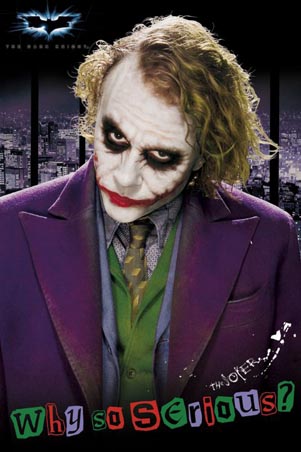 An antagonist would normally have a very proud, upright body
posture, and their face could be quite mocking and sarcastic. This could show
their confidence and arrogance towards their plan of events that will possibly
occur.
An antagonist would normally have a very proud, upright body
posture, and their face could be quite mocking and sarcastic. This could show
their confidence and arrogance towards their plan of events that will possibly
occur.Research: Mise-En-Scene:Lighting&Colour.
Lighting is a tool that is heavily relied upon in
movie. Through lighting and colour, the
audience can tell on whether a scene has a happy, tense or eerie atmosphere to
it. The correct light is extremely important, because if it is not, then the
audience will not respond the right way. For example, a thriller that takes
place in the daytime might not have the same impact, and may not be as scary as
one that is set at night with low key lighting. This allows the audience to
fear the scene more as things may be hidden in the darkness, or they may just
have a general fear of the unknown.
The different types of lighting include:

Top Lighting- When light is coming from above the
characters/scene.


Under Lighting- When the light source is under the character
(normally directly below their face).

High Key Lighting- When lots of light is used in a scene.

Low key lighting- When very little light is used in a scene.
Low key lighting is typically used in thrillers because this
type of light tends to cast more shadows and makes everything appear scarier.
Colour can be used in scenes to make the audience experience
certain emotions. For example, using a red filter in a scene will normally
signify blood or death, so the audience is more likely to feel afraid for the
victim/protagonist.
This colour is quite conventional in thrillers because death
is normally a key theme that is used.
Tuesday, 15 October 2013
Research: Mise-En-Scene.
Mise-en-scene is made up of setting, iconography, body
language and facial expressions, costume hair and make-up, and lighting. Each
of these work together to help a scene create the correct emotions and response
from the audience.

Setting:
The setting of a scene can influence the emotion that is
drawn from it. For example in a thriller movie, the locations would normally be
in a dark, derelict area. This is because they are quite eerie places, so the
audience will become more afraid of the events that are happening.

Iconography:
Iconography is a key element to a scene. This is because the
audience expect to see specific items in scene, depending on the genre of the
film. An example of this would be that a knife would be expected to be seen in
a thriller movie about a serial killer.
Body Language and Facial Expressions:
Body language and facial expressions are used to show either
how a character is represented in a film, or their emotions at certain points
in the film. This will give the audience a chance to gather who the character is,
how they are important to the scene, and how the different events that happen,
will affect them.

Costume:
Costume is often used to let the audience know the status of
the character for example, a rich or business person will tend to dress quite
smartly all the time, whereas a lower/ working class character would dress more
casually. Also the costume will give the audience different impressions of the
character depending on the colours used. E.g. if they are wearing white then we
will automatically assume that they are the victim, as white connotes to purity
and innocence. But if a character is wearing purple, then we may not trust
them, as purple connotes to being mysterious.
Lighting can determine the overall emotions that are felt
from the scene. This is because different types of light can make the audience
feel certain ways. This could mean that a thriller that takes place in the
daytime might not have the same impact, and may not be as scary than one that
is set at night with low key lighting. This allows the audience to fear the
scene more as things may be hidden in the darkness, or they may just have a
general fear of the unknown.
Different types of light include:
High key: When a lot of light is used in a scene.
Low key: When very little light is used.
Top lighting: When the light is coming from above the scene/
characters.
Back lighting: When the light source is coming from the back
of the characters.
Under lighting: When light is coming from underneath the
character/s (normally its directly under
their face to cast shadows and make them look scarier).
Research: Sound.
Sound.
Sound is what we hear in a movie. It
can be dialogue, sound effects or backing track. Any type of sound can influence
the mood of the film, and how the audience feel while watching.
Diegetic Sound:
Diegetic sound is sound that is part
of the film world e.g. dialogue. This is used to allow the audience to have an
understanding of what is going on in a specific scene.
Non-diegetic Sound:
This is sound that is not part of the
film world e.g. soundtrack. This can add emotion to a scene e.g. a fast paced
track can on an action scene, will help to add tension and excitement.
On-Screen Sound:
On-screen sound is when you can see
where the sound is coming from, for example; a shot of a phone while it is
ringing. This creates an understanding of a scene within the audience.
Off-screen Sound:
Off-screen sound is when you cannot
see where the sound is coming from, but it still makes sense e.g. hearing the
siren of a police car, before it appears on screen. This gives the audience a
clue as to what is about to happen in the scene, before they actually see it. (Example is at the end of the clip).
Parallel Sound:
This is when the sound and images
match, and it is what is expected within the scene, for example in a prison,
you’d expect to hear doors slamming, and the sound of keys moving.
This is when the sound and the images
do not match e.g. hearing a gunshot in school is not expected. This is done so
that the audience are not familiar with the sounds, therefore, they can sense
that something out of the ordinary is about to happen.
Thursday, 3 October 2013
Research: Cinematography.
Cinematography.
Cinematography is how the camerawork is
used to present a scene for the correct purpose. This is done by camera
movement, and shot sizes.
Sizes:-
Establishing Shot-
 This is normally used to set the scene by
showing where the scene will take place. This is to help the audience see where
the location is, and to make them aware of a new scene.
This is normally used to set the scene by
showing where the scene will take place. This is to help the audience see where
the location is, and to make them aware of a new scene.
Extreme Long Shot-

This shot shows the full body of the
character(s), and some of the surroundings. This is often used in action
scenes, as it shows the audience the exact situation that the character(s) are
in.
Long Shot-
 This shows the full body of a character. It
is often used when introducing a new character. This is so the audience can
figure out who they are, and make assumptions on them based on their body
language, facial expressions and costume.
This shows the full body of a character. It
is often used when introducing a new character. This is so the audience can
figure out who they are, and make assumptions on them based on their body
language, facial expressions and costume.
Medium Shot-

A medium shot shows the character(s) from
the waist upwards. This is used to help the audience to understand more about
the character in a bit more detail, such as their body language and facial
expressions.
Medium Close Up-
 This shows the character from the shoulders
upwards. This creates a small understanding of the characters emotions, so the
audience can feel a little empathy for the character (especially if it’s the
protagonist/victim).
This shows the character from the shoulders
upwards. This creates a small understanding of the characters emotions, so the
audience can feel a little empathy for the character (especially if it’s the
protagonist/victim).
Close Up-

Extreme Close up-
 This shot zooms in even further than a
close up shot. This is normally seen when the intentions of the director are to
make the audience focus on a specific piece of iconography or body part e.g. a
knife with blood on it.
This shot zooms in even further than a
close up shot. This is normally seen when the intentions of the director are to
make the audience focus on a specific piece of iconography or body part e.g. a
knife with blood on it.
High Angle-

A high angle shot is where the camera
shoots from above the characters head, making them seem very small and
vulnerable. This tends to be used on victims and sometimes protagonists to make
the audience question their safety.
Low Angle-
 In this shot, the camera is at the character’s
feet. This creates the illusion that they are much bigger and more powerful
than the other character. This gives them a look of superiority to the
audience. This gives them faith or possibly fear if it is used on an
antagonist.
In this shot, the camera is at the character’s
feet. This creates the illusion that they are much bigger and more powerful
than the other character. This gives them a look of superiority to the
audience. This gives them faith or possibly fear if it is used on an
antagonist.
Panning-
This is where the camera moves across the
set, from left to right. This is normally used to capture a scene right before
an action sequence, to inform the audience of what’s going on, or possibly show
some of the surroundings. This is so the audience are aware of who the
characters are, and what’s going on.
Tilt-
Tilt is when the camera moves up and down.
This can be used to introduce a new character. Tilt is useful because it allows
the audience to see the character in full detail.
Crane-
Here, the camera is on a crane, so the
movement is very flexible. This captures action scenes very well, because the
audience is able to see all of the sequence within a short space of time.
Zoom-
Zoom is used to highlight
important/significant things. For example the camera could zoom in to a
character’s face to show their facial expressions. This is used so the audience
can focus on what the director intended them to focus on at specific points in
the film.
P.O.V-
Point Of View shows a scene in first person
(as if you are looking through a character’s eyes). This is effective because
the audience will be able to possibly connect more with the character, as they
are seeing what the character will be seeing.
Handheld-
This is when the camera moves with the
person, as if they are holding the camera. This demonstrates the exact
situation the character is in, and adds tension and fear, as the movement of
the camera will be quite shaky.
Monday, 2 September 2013
Research- What Is A Thriller? Chloe Boylan.
What are genres?
Genres are the term for any category of literature, or any
other form of entertainment.
Genre is important
because you will know what to expect from whatever the art form is.
The Thriller Genre
Thriller movies/books/etc. use suspense, tension, excitement,
anticipation, surprise, anxiety and terror. They also tend to be very
adrenaline rushing.
Sub-genres:
-Action Thriller
-Conspiracy Thriller
-Crime Thriller
-Disaster Thriller
-Eco Thriller
-Forensic Thriller
-Legal Thriller
-Medical Thriller
-Mystery Thriller
-Political Thriller
-Psychological Thriller
-Religious Thriller
-Romantic Thriller
-Spy Thriller
-Supernatural Thriller
-Techno Thriller
Examples:
The Phantom Of The Opera
Plot: A disfigured musical genius hidden away in the Paris
Opera House terrorises the opera company for the unwitting benefit of a young
protégée whom he trains and loves.
Sweeney Todd:The Demon Barber Of Fleet Street:
Plot: The re-told Victorian story of Benjamin Barker, aka
Sweeney Todd, an English barber and serial killer, who murders his customers
with a straight razor and with the help of his accomplice Mrs Lovett, process
their corpses into meat pies.
Pulp Fiction
Plot: The lives of two mob hit men, a boxer, a gangster’s
wife, and a pair of diner bandits intertwine in four tales of violence and redemption.
Common Themes
-Captives
-Heists
-Revenge
-Terrorism
The general audience for thrillers is adrenaline seekers,
and people like a thrill.
An audience would respond to watching thrillers by feeling
scared for the protagonist or they ma be able to feel the adrenaline, as if
they are part of the narrative/storyline.
Conclusion
From researching thrillers, I have learned that they all
follow similar conventions and themes, such as gangsters, crime, revenge, or
kidnapping. This will help me throughout the course as they are easily identifiable,
and therefore I can expect that the AS course will be based around those.
Subscribe to:
Posts (Atom)