Costume is the clothing that the characters wear during the
film.
Body language is how a character holds themselves or their
posture during certain points of the movie.
Facial expression is the emotion that is displayed on the
characters’ face at different moments of the film.
Each of these elements help with how a character is
represented because the audience can judge who the characters are, and their
status within the film, just by taking in what they are wearing, and their body
posture, in the first scene alone.
 The stereotypical victim would normally wear white. This is
because white connotes purity, vulnerability and innocence; this makes the
audience fear for her life much more.
The stereotypical victim would normally wear white. This is
because white connotes purity, vulnerability and innocence; this makes the
audience fear for her life much more.
The stereotypical antagonist will normally wear black, as
this connotes evil, dark intentions, and untrustworthy.
The body language of a victim would be quite curled
in-worlds, and they would have a fearful expression. This would demonstrate her
discomfort and fear of the antagonist, and the events that may be happening.
This is conventional because the audience are expected to feel sorry for the
victim.
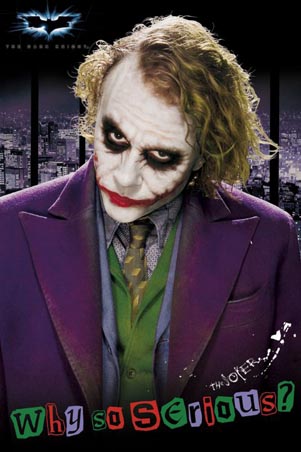 An antagonist would normally have a very proud, upright body
posture, and their face could be quite mocking and sarcastic. This could show
their confidence and arrogance towards their plan of events that will possibly
occur.
An antagonist would normally have a very proud, upright body
posture, and their face could be quite mocking and sarcastic. This could show
their confidence and arrogance towards their plan of events that will possibly
occur.
A good start Chloe, but the post is not finished.
ReplyDeleteTo improve;
-provide more detail when introducing costume, body language and facial expression by relating to impact they have on the audience. With costume, discuss connotations,
-You should also look to discuss the following characters in thriller films; female victims, antagonist, male protagonist and child and then provide analysis and discussion on thier clothing, body lang and facial exp. You can do this via bullet points if you wish to.
-Also, once you have discussed the following characters, provide some more images to support your work.
-scene analysis